Community
Tourism
Environment and community based tourism projects in Northeast India.
Where communities lead.
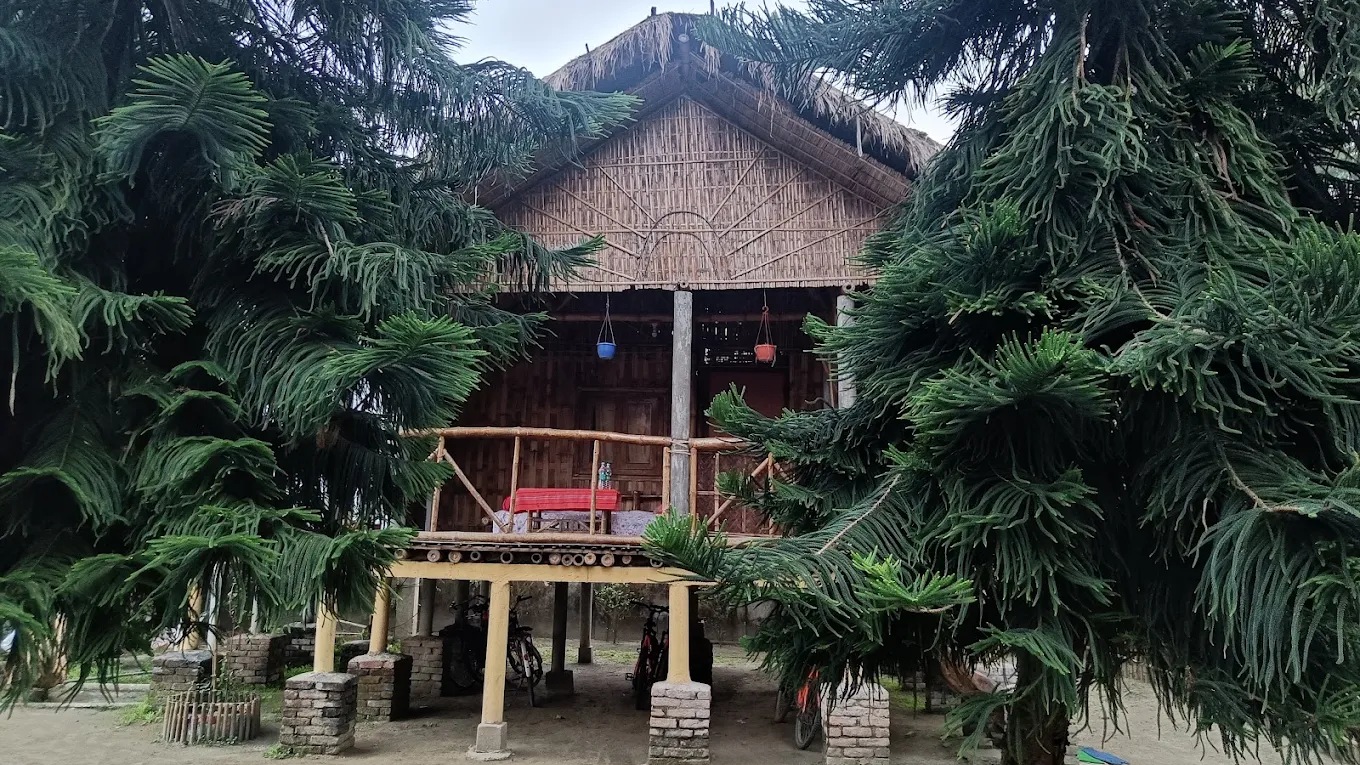

Tribal Homestays in Majuli Island
Visitors to Majuli Island in Assam can stay in simple homestays run by local tribal families, helping in the enhancement of local culture.
The island of Majuli, situated right in the middle of the mighty Brahmaputra River, is not only the largest populated river island of the world, but also the hotbed of medieval Assamese culture, tribal sustenance practices and bird diversity. However, with the arrival of summers, the island faces massive erosion of its banks, fueled by the raging waters of the Brahmaputra River, and since the last five hundred years, half of the island has already washed away.
The disappearing island is at its crossroads, struggling to keep itself firm. Very little is being done by influential bodies to prevent the erosion, while the rich cultural heritage stands at a critical phase of being erased forever.
To promote and protect this island, and to help the tribal communities living on the island, Greener Pastures is extensively involved in supporting homestay initiatives of the local people. Our guests to the island get a chance to stay in homestays run by some of the local and very hospitable Mishing families, such as the homestay La Maison De Ananda, which was built and gifted to a local family by a French architect couple who fell in love with the island. The homestays provide guests a deeper interaction with the people and cultures of Majuli Island, while also benefiting local economy and encouraging local bodies to take notice of the island's richness.
There are numerous activities to fill your day, such as visiting Assamese monasteries to learn about their very unique practices of religion, arts and drama, learning about traditional mask-making by skilled artisans, visit to ethnic villages and handiwork centers, or bicycle and boat rides to explore the island and its waterways at leisure.
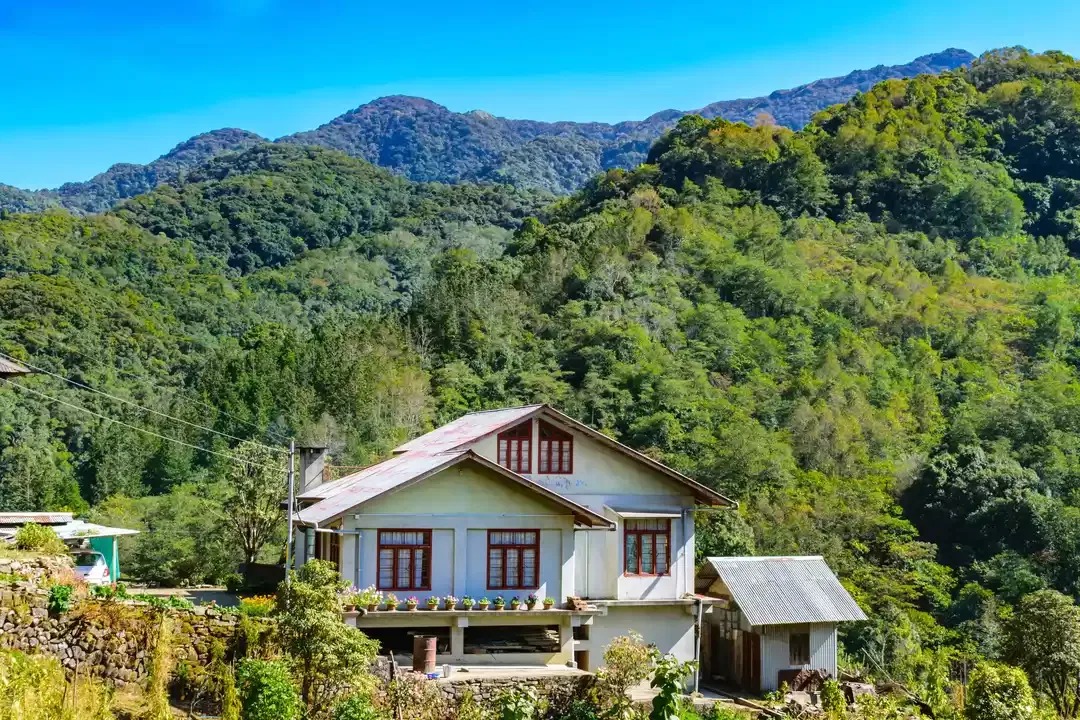
Homestays in Dzuleke
Angami villagers of Dzuleke in the Naga Hills run a small tourism based homestay program benefitting both local economy and culture.
Dzuleke is an idyllic village of the Angami tribe of Nagaland and is located near capital Kohima. Travelers visiting Kohima often take a day trip to the nearby villages to explore the beautiful countryside and also to observe the culture and traditional lifestyle of the native Angami people. Khonoma and Dzuleke became well known to the outside world as they were the first villages to ban hunting in order to protect their community forests.
With the inflow of visitors, the local community was soon engaged in eco-tourism. The initiative in Dzuleke village was started with an aim to conserve the natural resources of the village and to achieve sustainable forest management through ecotourism. Dzuleke Ecotourism Board (DETB) was then established by the villagers. The North East Initiative Development Agency (NEIDA) has collaborated in the project with the support from the Sir Ratan Tata Trust. NEIDA is a non-profit society which provides monitoring and training to such rural projects. The NGO has helped villagers contribute in tourism through opening up homestays for travelers, they provide equal opportunity to all households in offering hospitality. They organize homestays and also assist the local people in promoting tourism of Dzuleke.
Other than rural stay and cultural experience, Dzuleke now has a lot more to offer. Visitors can enjoy guided tours around the village, short hikes in the community forests for birding and spotting butterflies, camping and other adventure activities. Greener Pastures arranges rural homestays for its guests at Dzuleke in the Nagaland tour of tribes itinerary.
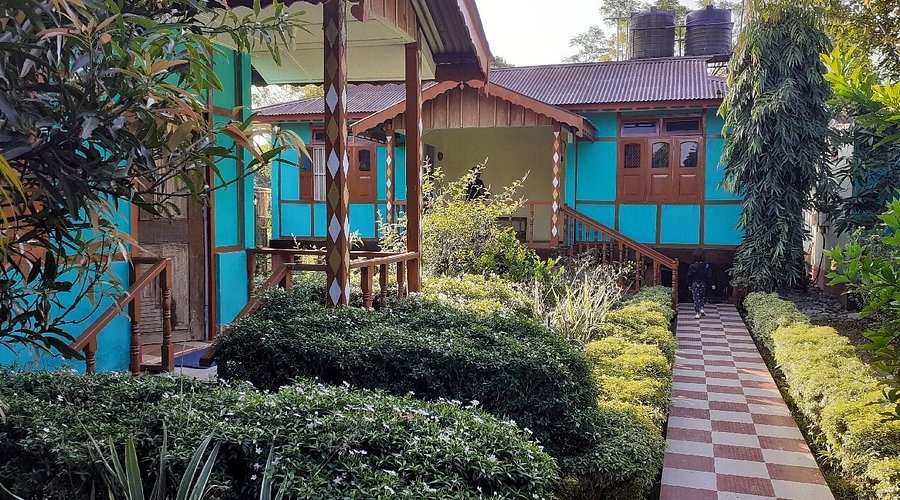

Community Tourism at Manas
Manas Ever Welfare Society is a grassroots organization formed to conserve wildlife and engage in community based tourism.
Manas National Park is a World Heritage Site, and one of the most prominent biodiversity hotspots of Northeast India, boasting a wide range of flora and fauna. But during the 1990s, the national park witnessed a dark period — where poaching and logging almost wiped out the ecology of the National Park. The last decade has seen a lot of improvement, fueled by pro-conservation decisions taken by the government and wildlife groups who worked with local communities.
In 2005, a non-profit organization called Manas Ever Welfare Society (MEWS) was established. The NGO was formed by volunteering enthusiastic youths from the villages around the national park, to bring an end to the rampant poaching that was going on, and to spread awareness in the local communities about wildlife. Since then, MEWS has brought about tremendous change in the mindsets of the people, and many of the poachers have surrendered, only to become conservationists and guides.
MEWS has developed three accommodation facilities in the national park to cater to travelers. Run by local youths, with the support of Greener Pastures and other like-minded organizations, the influx of visitors has boosted the morale of the entire community and generated much needed local income. A new sense of love towards wildlife and conservation has been successfully established by this initiative. Small scale tourism as a new source of economy has helped solve a lot of the village problems, and the extra money is even spent on monitoring wildlife and erecting watchtowers to detect illegal incursions.
Community Based Tourism in Ziro
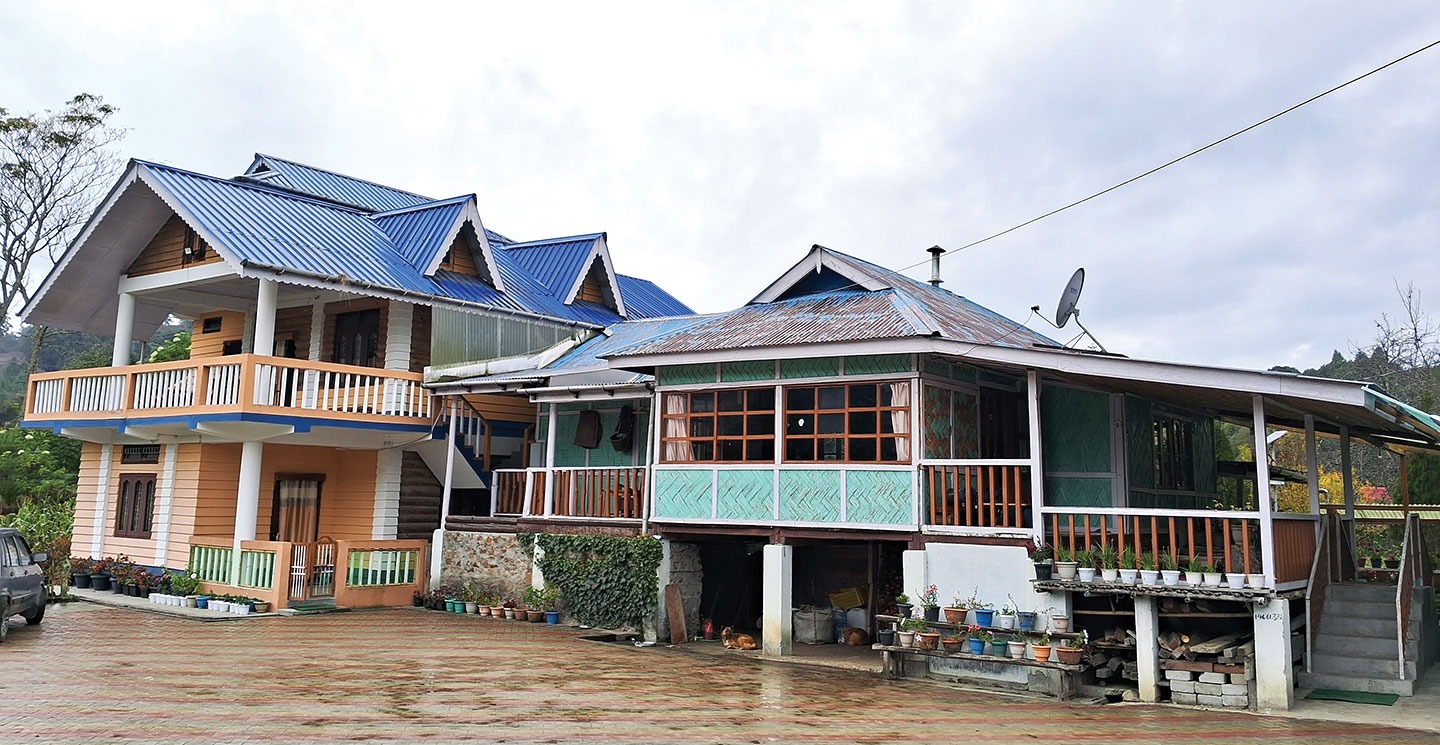
Ngunu Ziro is a grassroots organization of the Apatani tribespeople engaged in community development and conservation.
Ziro is a beautiful valley in the mountains of central Arunachal Pradesh which attracts many visitors to experience the indigenous culture and rural life of the native Apatani tribe. Ziro is also a pristine destination as it is surrounded by lush green mountains, coniferous forests and terraced farms. In order to provide the visitors an authentic experience of Apatani culture, homestays have been started by the local families who host the visitors and offer a unique travel experience.
Ngunu Ziro is a community based NGO registered with the state government which is working for development through tourism and also preserving the tribal heritage for which the Apatani culture is well known. They organize training and awareness programs on community based eco-tourism and biodiversity conservation as well. They promote the potential of tourism of the valley by engaging families in providing homestay activities and training local guides for sustainable livelihood. The NGO provides training on recycling and maintaining cleanliness in the villages. They also encourage Self-Help Groups to produce traditional handloom and handicraft products. Ngunu Ziro is also engaged with conservation of butterfly species, its monitoring and protection.
Apart from exploring the villages and enjoying the scenic beauty of the place, visitors in Ziro can also actively participate in the volunteering activities through the NGO in the forms of teaching at primary schools, learning fishing practices, conducting nature walks and butterfly monitoring. Though standard hotels and lodges have come up in Hapoli town due to the growing popularity of Ziro as a major travel destination in Arunachal Pradesh, we accommodate our clients at the homestays in Siiro village so that our guests can have a truly memorable experience of their rural stay and have a better understanding of the local culture.
A fortified village that saved its forest.
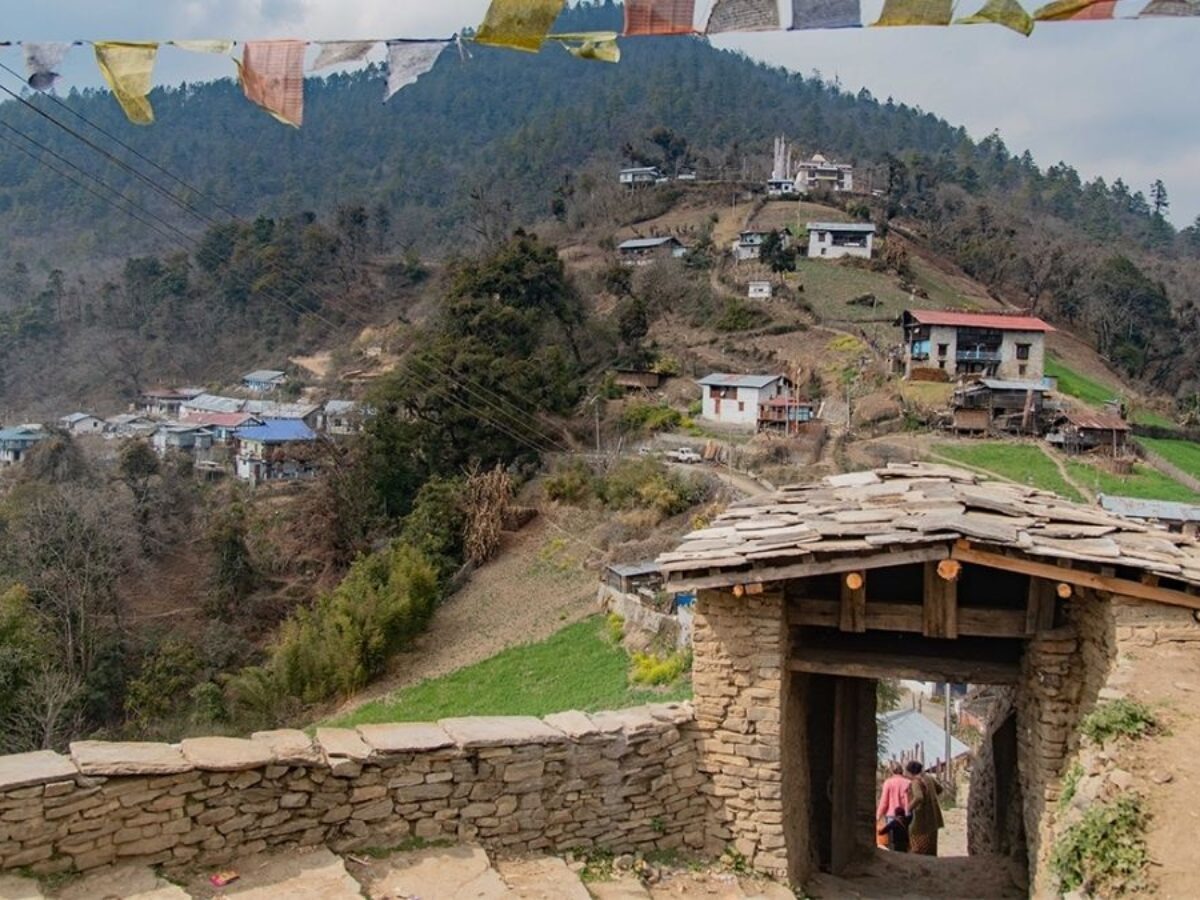
Thembang in the mountains of Arunachal Pradesh runs a community based ecotourism project to assist wildlife and livelihoods.
Thembang is a beautiful village situated at an altitude of 2300m near Dirang in West Kameng district of Arunachal Pradesh. It is a historical village within a fortified Dzong which was built long ago by Tibetans and still has numerous traditional stone houses and an old Buddhist shrine with well preserved traditional wood carving, wall paintings and manuscripts.
The Monpa tribe of this village felt the impact of global warming and climatic changes and felt the need to act immediately to conserve their surroundings. They formed the Thembang Bapu Community Conserved Area (TBCCA) management committee with the help of WWF-India. At the same time, they also started community based tourism and a livelihood program through village homestays. The village community began participating in the program with various roles, some offered homestays, traditional food in eateries, while others acted as trekking guides, porters or even performing in cultural programs.
The villagers have benefited greatly from the tourism initiative and could then provide themselves with more resources for their forest conservation project. They started with a small project of protecting their 30 sq km of forests and soon succeeded in conserving 312 sq km of forest cover and have declared it a Community Conserved Area (CCA) with rules and regulations to maintain a sustainable usage of their natural resource. The villagers have also inspired the Monpas of Zemithang village in Tawang district to adopt similar community based projects to protect nature and also promote tourism.
Thembang village is also the starting point and the base camp of the Bailey Trail trek in the Himalayas. Short treks can be also done through the meadows and coniferous forests to beautiful viewpoints and campsites. There are also birding spots around the village, migratory birds from Eaglenest Sanctuary nearby can be seen sometimes. Cultural programs such as Aji Lhamu operas, Yak dance and traditional welcome songs are also performed by the villagers for the visitors. Thembang is a part of our itinerary while traveling in Tawang circuit in which our guests spend an entire day exploring the village, learning about the forest conservation initiatives and also enjoy the cultural performances.
Homestays in Mawlynnong
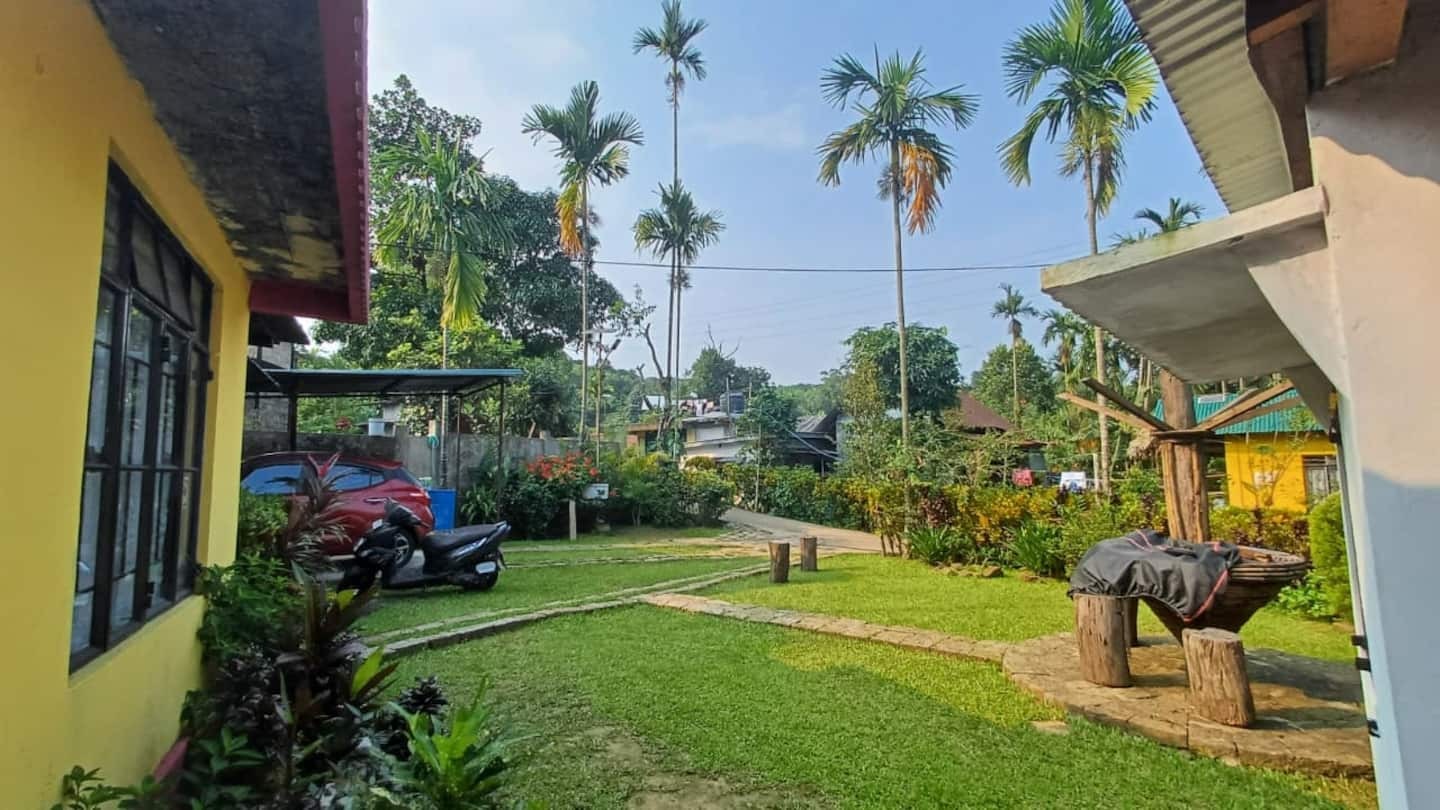
Khasi families of Mawlynnong in Meghalaya have opened numerous homestays while the village also has a strong community program.
Mawlynnong, a village inhabited by the Khasi peoples, is situated midst pristine forested foothills overlooking the plains of Bangladesh. The village is regarded by many as the cleanest village in Asia. But keeping the village clean requires hard work and motivation. Dustbins made out of bamboo are found everywhere in the village, and the villagers make it a point to not litter anywhere else. The organic waste collected is used as manure. Use of plastic has also been banned. The village, which has a literacy rate of a hundred percent, is now spreading the message of conservation and protection of the forests to other nearby villages. Trees are regularly planted to ensure that the virgin forest remains replenished.
To further motivate themselves, the village has in the past few years opened its door to responsible tourism. A few homestays have been started by the families along with a community guesthouse. Visitors to the village get to learn about the Khasi culture, indulge in their simple ethnic cuisine, explore forest trails and nearby villages, swim in numerous waterfalls and marvel at the living root bridges.
The income generated directly benefits the local economy and helps in planting trees. But more than the money, the balanced small scale tourism has acted as a source of inspiration for the villagers encouraging them to further conserve and keep the environment clean.
Along with our itineraries, Greener Pastures also supports the village through educational longer duration visits or volunteer based activities. On our numerous personal visits, we have also made good friends with the enthusiastic people of the village.
Community Tourism in Touphema
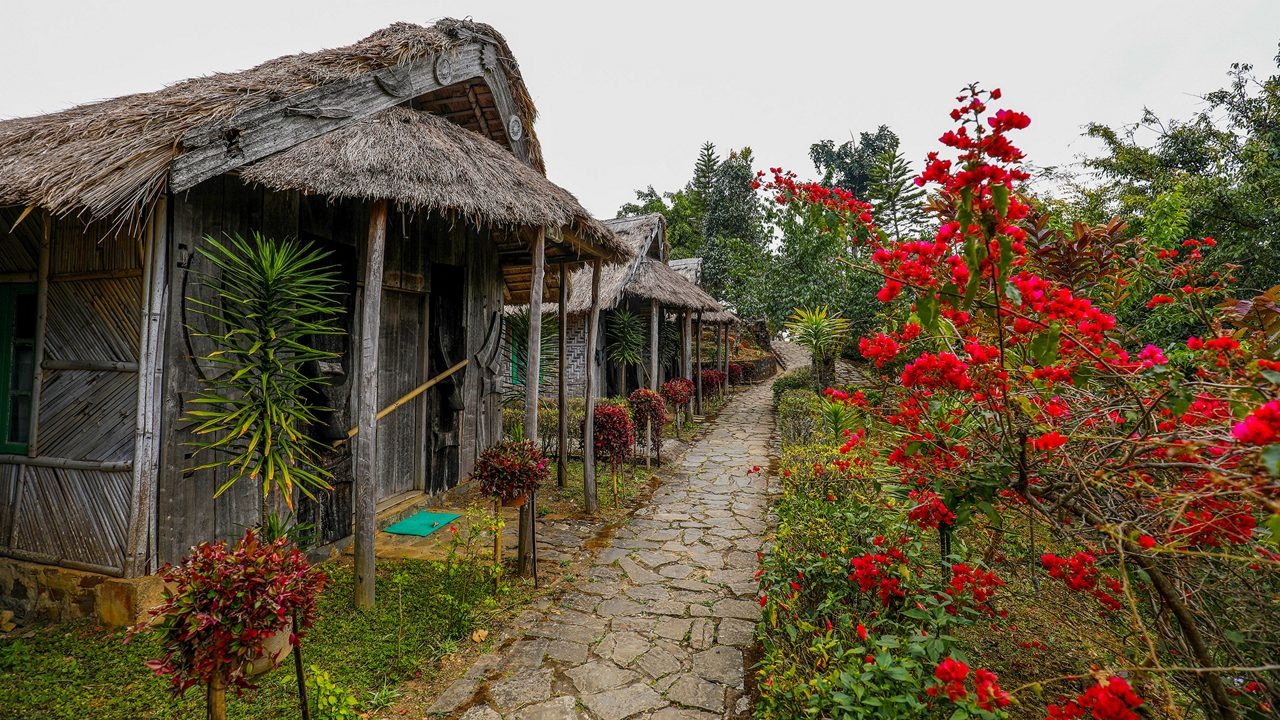
The village of Touphema in the verdant Naga Hills has a small community based tourism model that assists the economy and culture.
Touphema is a village of the native Angami tribe and is located in Kohima district near the state capital. Touphema is one of the major attractions of Kohima as it is one of the few villages which have still preserved their ancient tribal traditions and therefore it has been declared as Tourist Village by the state government.
The story of community based eco-tourism in Touphema had a difficult beginning. Touphema was one of the most remote and backward villages in the area. In 1985, the villagers gathered all resources to establish their own transport connectivity and come out of remoteness. With the little earnings, the village council slowly began to work on development. With the rise of tourism in Nagaland after the Hornbill Festival in 2000, the villagers came up with the idea of hosting visitors in their village by starting homestays to provide authentic cultural experience. Clans contributed land and labor and constructed huts with local resources. Due to their growing popularity for hospitality, soon the village received attention and aid from the government to establish a full-fledged Tourist Village. Today, it is one of the best examples of self sustaining communities in the region.
The Tourist Village is located on a hill above the village and offers spectacular view of the Naga Hills. There are twelve traditional styled wooden cottages which are adorned with carved motifs of Angami folklore. The rooms are clean with attached bath and have basic amenities which are adequate for guests. Food is prepared in the community kitchen and one can enjoy the gastronomic delights of Angami cuisine. A tribal museum has been also recently set up which showcases the indigenous culture.

Community Tourism in Nongriat
The Khasi village of Nongriat runs its own guesthouse, and what it earns goes into the village school.
Situated in a breathtaking valley decorated by numerous cascading waterfalls, deep caverns, rain-fed forests, rivers and streams, the village of Nongriat is home to a very happy and content community of Khasi people, who live a life closely connected to nature. There are no roads here, only neat cemented crisscrossing footpaths. To reach the village, it is a three hour long and steep downhill hike from the high plateaus of Cherrapunji, the world’s rainiest place. You have to literally walk down more than 3000 steps, crossing streams and rivers in hanging native ingenuity bridges, to arrive at Nongriat. After the village was aired in BBC’s Human Planet series, travelers from around the world have started to come here. And though most tourists are single day visitors who come to see the unique double-decker living root bridge of the village, the charm lies in residing for a few days.
The village has built a community run guesthouse to accommodate the overnight visitors, the gains from which are utilized in maintaining the school and within the community. The place has four basic rooms, a hall, kitchen and the perfect coziness for the dramatic weather of the region; where clouds are ever playing hide and seek with the inhabitants. A few days are less to explore everything Nongriat has to offer.
You can start by interacting with the locals, who are all educated and great to have a casual conversation with. There is a small village school where you can teach the children. There are also numerous hikes which lead to exotic waterfalls, cave systems, living root bridges, nearby villages and one to the plains of Bangladesh. Fishing and bathing in the natural pools are the two most popular hobbies of the locals, which you must participate in. However, the most amazing aspect of the village is its natural wealth, as it is interesting to see that almost everything used by the villagers comes from the forest; items such as vegetables, fruits, medicines, meat, cane, bamboo and timber. Maybe this is the reason the villagers are extremely healthy and can climb up and down 3000 steps as if it is an easy task.
Community Tourism in Tipam
Tai Phake Ecotourism runs a camp at Tipam village on the Buridihing River, created to employ young people of the tribe.
Tai Phake Ecotourism is a small non-governmental organization formed solely to promote balanced sustainable tourism in areas inhabited by the Tai Phake Tribe in the remote areas of eastern Assam. Their highlight is the Tipam Phake Ecotourism Camp (TIPETC) settled at Tipam Village by the banks of the ever-flowing Buridihing River which cuts through the Dihing Patkai Wildlife Sanctuary.
Established in 2010, the purpose of the camp is to provide employment to the otherwise unemployed youths of the tribe and to offer nature-based activities focused on the conservation of the local environment including the biodiversity rich wildlife sanctuary. The camp offers numerous activities engaging both visitors and the host community along with the environment. These include rainforest walks to the forest where one can learn about the flora and fauna, and educational visits to nearby ethnic villages of different tribes with plenty of cultural and historical interactions. The setting is also perfect for picnics, some bird-watching, perhaps sail up the Buridihing to the forest, or spend calm country evenings by the fire indulging delicious local dishes such as rice beer and roasted pork.
Greener Pastures is engaged with TIPETC supporting them by including their endeavor and activities in some of our itineraries. We have also personally visited the camp a couple of times to engage with the locals and have discussions.
Tribal Homestays in Nampong
In 2015 a few Tangsa families in the Patkai Hills opened their homes to travelers, in a corner of Arunachal where tourism barely exists.
The Nampong area lies at the very eastern corner of India and just a few miles away from considerably undiscovered hills of Burma. The Patkai Hills as it is called lies densely forested and is inhabited by the Tangsa peoples. In 2015 a few families of surrounding villages decided to open their simple but humble homes for travelers who venture into these hidden lands. The region is rich in history. Though the tribespeople have adopted Christianity, their lifestyle and folk still traces traditions of their animist past.
Certainly a rare opportunity to explore unique culture and land, apart from contributing to the local economy, there are various simple enjoyments possible. Discovering the cuisine of the tribe deserves a mention where a mix of herbs, forest produces and simple cooking bring out a unique and sober taste.
Nearby, the Pangsau Pass falls in the famous Stilwell Road which is America’s greatest engineering project ever undertaken during wartime, though this World War 2 icon is shrouded with blood and sacrifice with uncountable native and African-American lives lost in making it. Today the road is yet again overtaken by the rainforest for most parts and can be traversed only till a nearby Burmese village ahead the pass and the mysterious Lake of No Return where numerous allied warplanes disappeared.
Numerous lush streams and abundant farms stretch the hills. Like the neighboring Naga tribes, the Tangsas too prefer to build their villages in hilltops. Friendly folks, the cultural interaction with the locals is as much a highlight often leading to friendships. Tourism is still kind of non-existent in the region. In this regard, these homestays represent a better and ethical future that can be brought by a progressive approach to tourism.

Travel with purpose.
Many of these projects are part of our itineraries. Tell us where you would like to go and we will build the trip around them.
Plan Your Journey