Travel to the Hornbill Festival
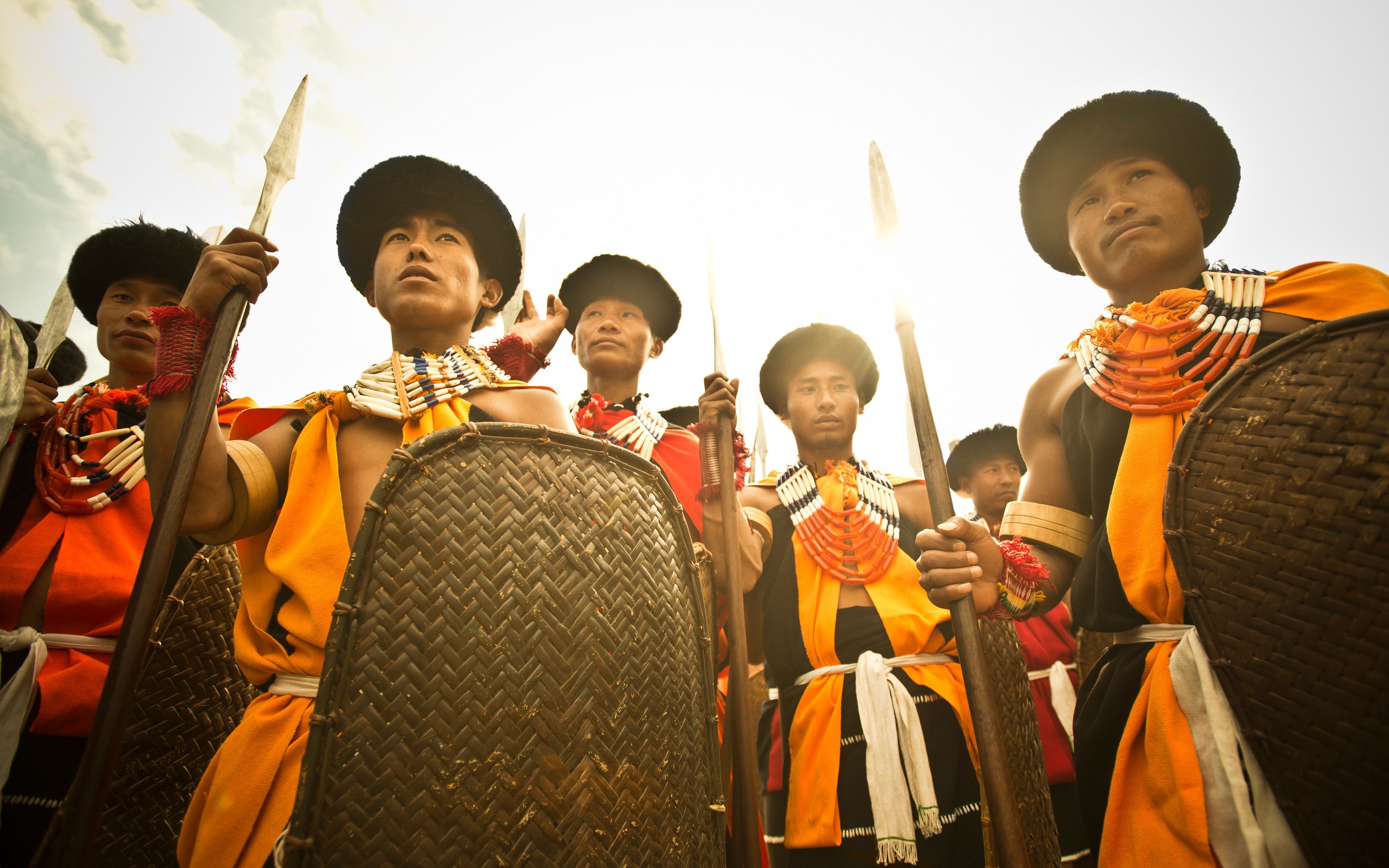
Join the sixteen Naga tribes as they come together to celebrate the Hornbill Festival with a whole lot of charm and zest!
Nagaland, the land of fascinating and hospitable tribes is known as the 'land of festivals'. Festivals here are considered sacred and celebrated with much zest and gusto! Recognizing this spirit, the Government of Nagaland organizes the Hornbill Festival, held in the first week of December every year, to encourage inter-tribal interaction and to promote the cultural richness of Nagaland.
Named after the respected and revered Hornbill bird and held in the beautiful hills of Kohima, the festival is a time of merry-making and colorful extravaganza, where all the tribes of Nagaland participate. During this time, there are tribal performances and ceremonies, displays of ethnic crafts, sports, food fairs, and local games. Other highlights include traditional Naga Morungs, flower shows, displays of herbal medicine, fashion shows, beauty contests, traditional archery and wrestling, musical concerts, elaborate dances, and performance of folk songs.
In this tour, you'll get an elaborate glimpse of the people and culture of Nagaland. You'll get to meet the tribes, interact with them, visit their villages, and be blown away by their charming hospitality and friendliness. And not to mention, all the fun at the festival where you can participate in drinking, eating, singing, dancing and merrymaking. There is also a visit to Mokokchung which is the fascinating town of the Ao Naga Tribe thus providing you with a further glimpse into the distant scenery of Nagaland.
At a Glance

Hornbill Festival
Take part in the Hornbill Festival, a large gathering of the sixteen tribes of Nagaland.

Naga Hills
A beautiful journey to the Naga Hills with quaint walks in the picturesque villages.

Tribal Cultures
Explore the tribal cultures, with the Hornbill Festival bringing all tribes together.

Day by Day

Dimapur - Khonoma
After pick-up from Dimapur Airport, drive to Khonoma Village (2 hours) which is a historic Angami Tribe village famous for two Angami-British wars fought during 1847 and 1879. The village feels very traditional with flowering areas, pomelo trees, squash and gourd vines as well as megalith monuments. You stay at a family-run inn in the village.

Khonoma
Khonoma was the first village to ban hunting and logging thus turning it into a green village. With the mission of 'Green Khonoma', the locals have created a model village for eco and rural tourism in Nagaland which they are rightly proud of. A small nature sanctuary (Khonoma Nature Conservation and Tragopan Sanctuary), managed by the village itself is one of the few places where the Blyth's Tragopan, a rare pheasant indigenous to the area can be seen. Undertake a trek to this sanctuary for good birdlife and peaceful nature, and take a walk around the village to an intimate welcome into the lives of the villagers.


Khonoma - Kohima
After breakfast, leave for Kohima (1-2 hours) at a height of 1,444 meters. Spend the day visiting WW2 War Memorial, a museum that displays Naga heritage and culture, an arts and crafts emporium, and local markets. Overnight will be at a clean and comfortable budget hotel.


Kohima
You'll be proceeding to Kisama Heritage Village every day which is the venue of the Hornbill Festival, to participate and witness the festival and the many events. In the evenings, visit the bustling night markets and music shows.

Kohima - Mokokchung
After breakfast, drive to the hill-town of Mokokchung (6 hours), home to the fascinating tribal Ao Nagas. En route visit a village belonging to the Rengma Tribe where you'll get to interact with them and visit their houses. Evening at leisure.

Mokokchung
Spend the day visiting the villages of Impur, Aliba, and Mopungchuket. Witness the everyday life of the Ao Tribe and get to interact with them. Later in the afternoon, visit Ungma, the largest of all Ao Naga villages. Observe the traditional lifestyle of the people.

Mokokchung - Jorhat
After early breakfast, drive to Jorhat Airport (3-4 hours) for your departure flight. Tour ends.

Your Retreats
When you travel with us, we make sure that you stay in the best available accommodations in the places you visit, especially since many areas in Northeast India are remote and do not have many options to stay. These properties are highly reviewed by our team of experts and are aesthetic in nature when possible. Our itineraries are flexible, highly customizable, and you can always choose a different property depending on budget and style.

Dovipie Inn
A family-run inn of six rooms in Khonoma village, run by Mr. Heika and his family with warm Naga hospitality. There is a restaurant on site, and the hosts arrange village walks with a local guide, bird and butterfly watching, traditional fishing and evenings of storytelling.
“Stone walls, a timber deck and the Khonoma hills all around.”

The Heritage
The charming and boutique The Heritage in Kohima was earlier the District Commissioner’s bungalow. An old property styled in typical early 20th century raj-era with high-ceilinged woody rooms and airy verandas with armchairs for relaxing and soaking the views. Accommodation is fairly standard.
“Old bones, warm rooms, and a veranda built for sitting.”

Whispering Winds
Whispering Winds, located in the verdant hills of Mokokchung, is a cozy minimalistic guesthouse run by enthusiastic locals. Rooms are clean and with standard amenities. There are good views of the hills from the hotel and rooms.
“Small, quiet, and very welcome after a nine-hour drive.”
Why Travel With Greener Pastures?


Curated Experiences
Our itineraries are one of a kind, curated from our own personal travel experiences, from choosing the best logistically correct routes to the most interesting stay options.
Native Guides
Our tour guides are native to the region, and bring you an insider view into the life and culture of Northeast India, sharing with you authentic local experiences and fostering friendships.
Experts in Tours
When traveling with Greener Pastures, you can be assured that you are in the hands of experts who are knowledgeable and passionate about the region. Expect hassle-free, easy-going, and insightful travel.
“By choosing us, we share together a pledge towards responsible tourism, and share a belief that travel has the power to positively transform local livelihoods, cultures and environment.”
— The Greener Pastures Promise
Read the travel guide to Nagaland for the seasons, the festivals and what else is worth the detour.


Travel news from Northeast India.
Stories from the field, our upcoming experiences, and other travel related news from Northeast India.